
Panel production and technology
Understand the materials, panel forming, surface bonding, and checks before installation.
Panel materials and technology
Yisen’s manufacturing operations are supported by group facilities in China, covering material development, production, showrooms, and testing. The Indonesian production base began operating in 2026.
Bamboo and wood fibres are processed, ground, and mixed with supporting materials for the selected panel type. The mixture enters an extruder and is formed at high temperature before surface finishing.
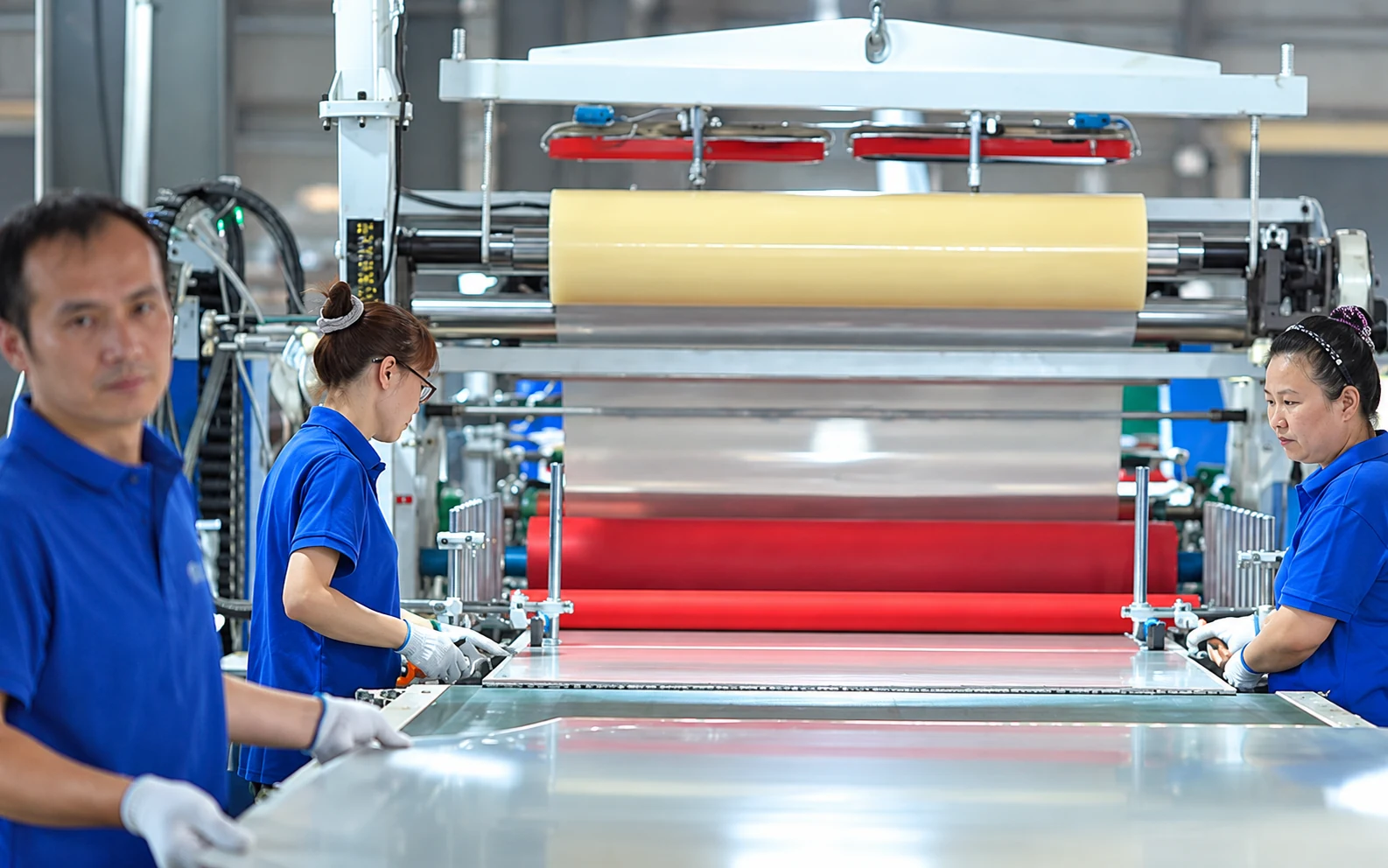
PUR hot-melt adhesive bonds PVC film to the panel through laminating equipment. Cooling and adhesive bonding complete the process. Film, texture, and colour options depend on the product series.
Production and installation
Six stages, from preparing materials to fitting and finishing panels.
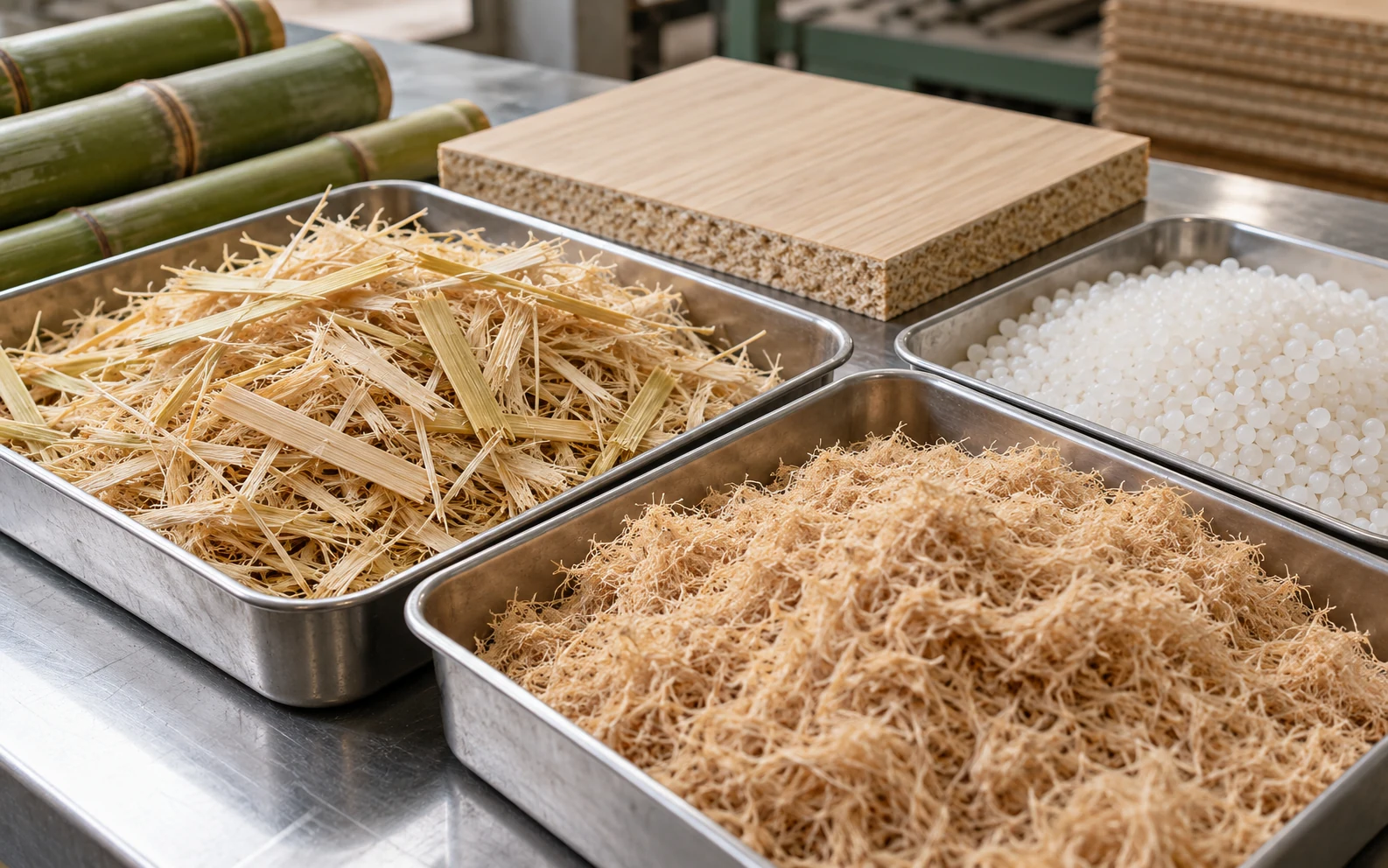
Raw materials
Bamboo and wood fibres are processed with supporting materials to suit the panel composition.
The final composition depends on the product series and specification.
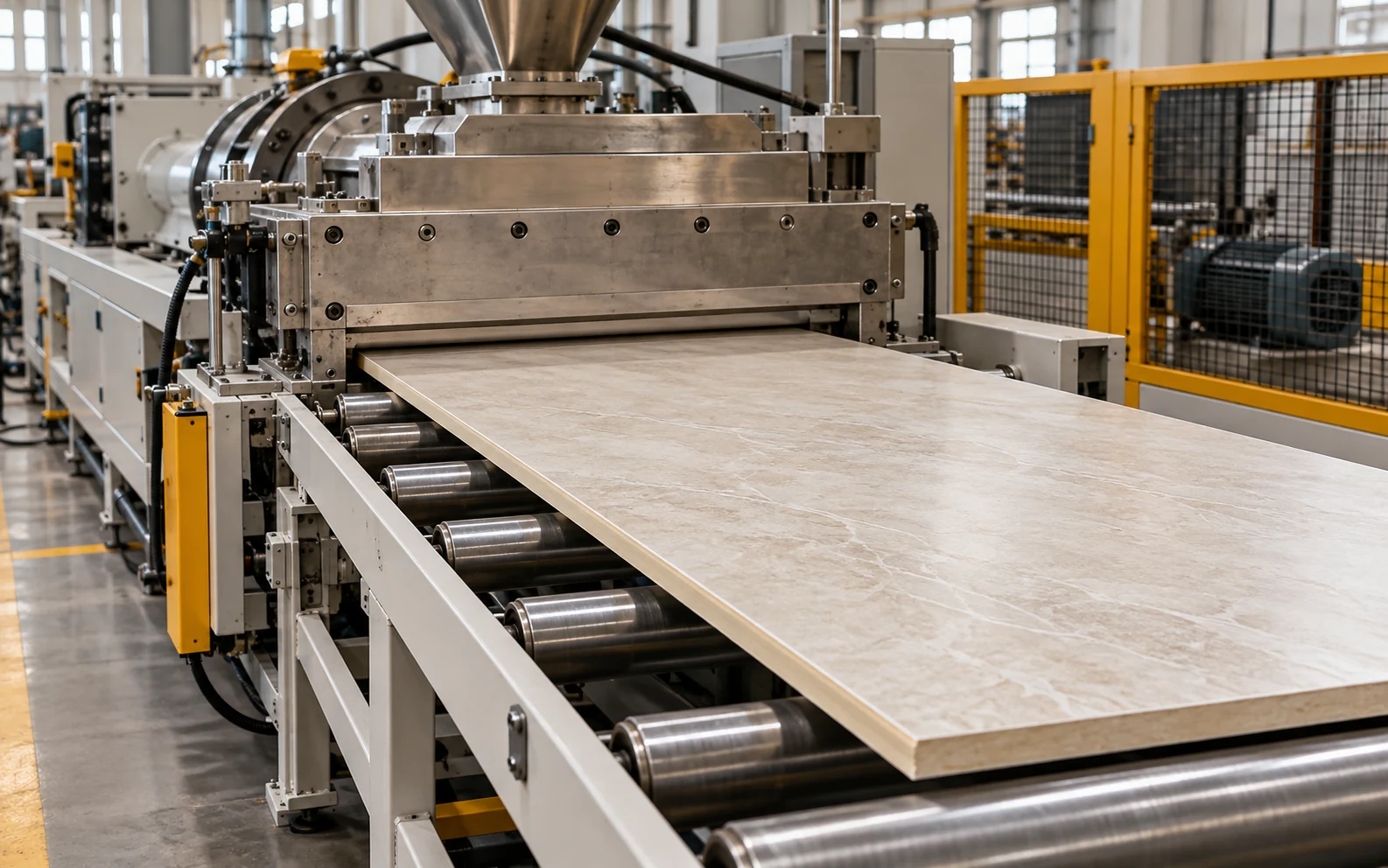
Panel forming
The material mixture is formed by high-temperature extrusion.
Panel forming takes place before surface finishing.
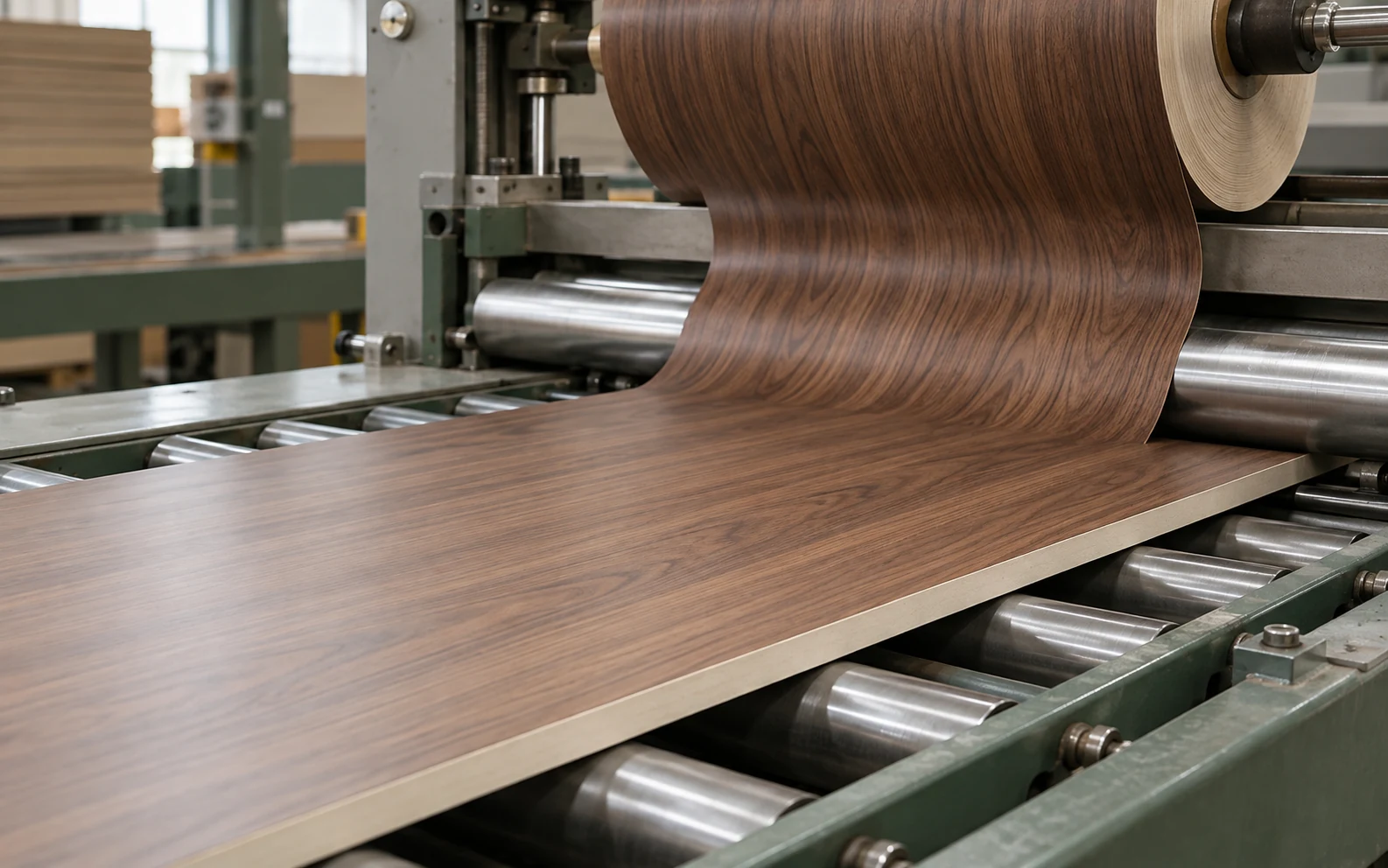
Surface bonding
PVC film is bonded to the panel using PUR hot-melt adhesive.
Texture, colour, and surface layers vary by product.
Quality checks
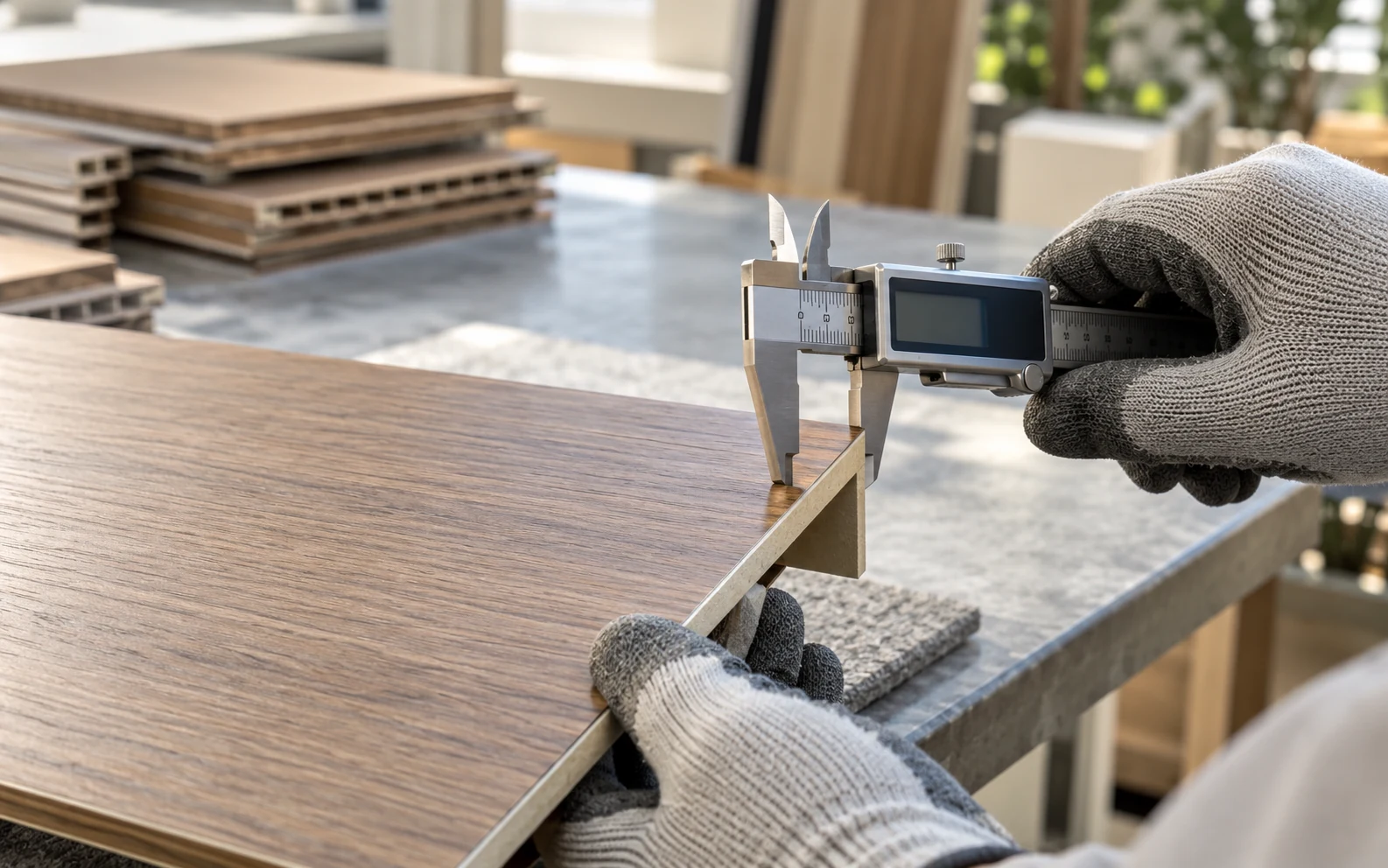
Checks cover raw materials, production stages, and finished panels. When selecting materials, compare dimensions, surface condition, colour, and joint details. Ask for technical documents and test results that match the product and intended application.
Site preparation
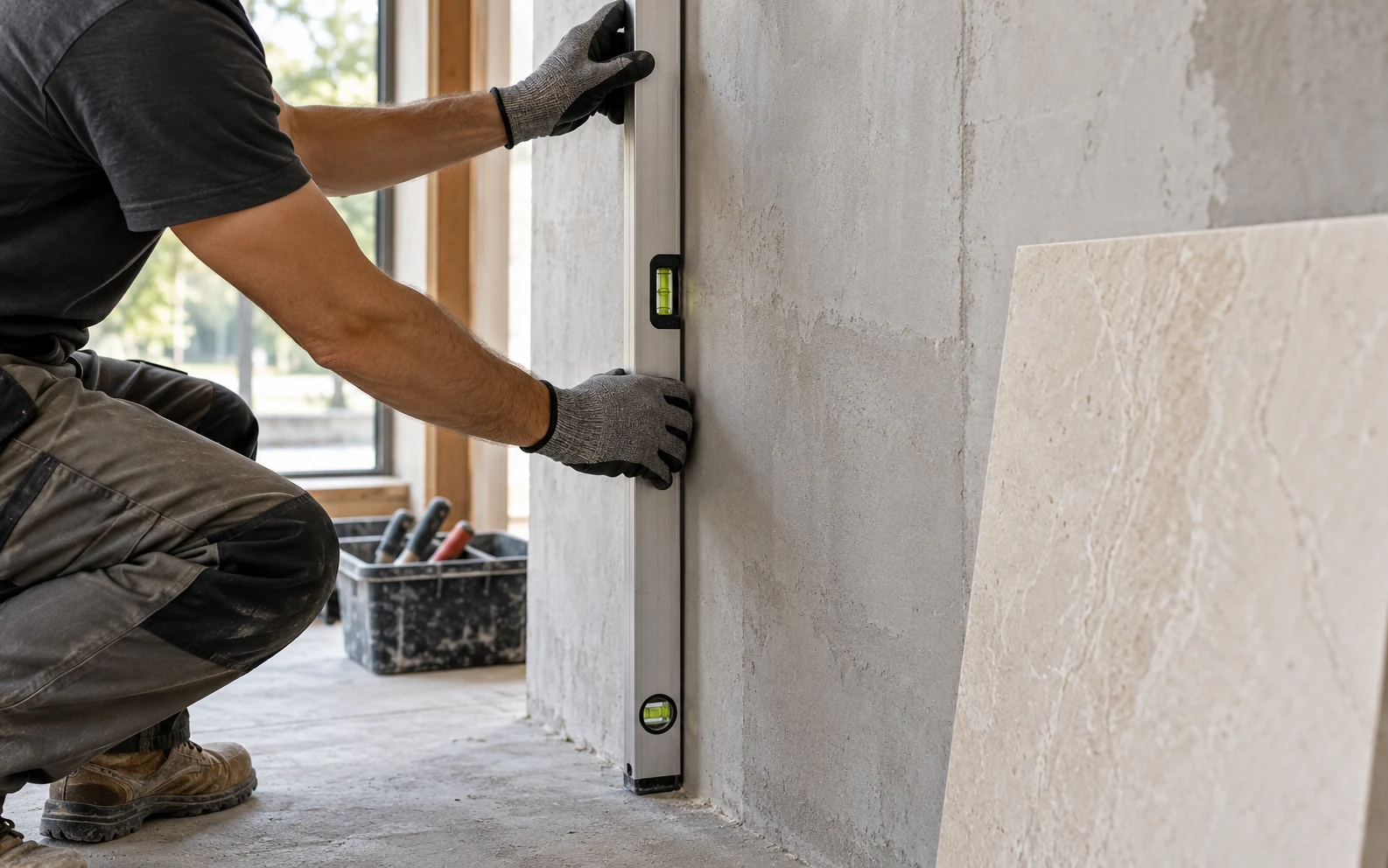
Before installation, check panel condition and colour, prepare tools, then clean and level the substrate. Cutting, framing or fastening, corner joints, and edge trims follow the product guidance and site conditions. Inspect flatness, joints, and edge finishes once the panels are fitted.
Installation and finishing
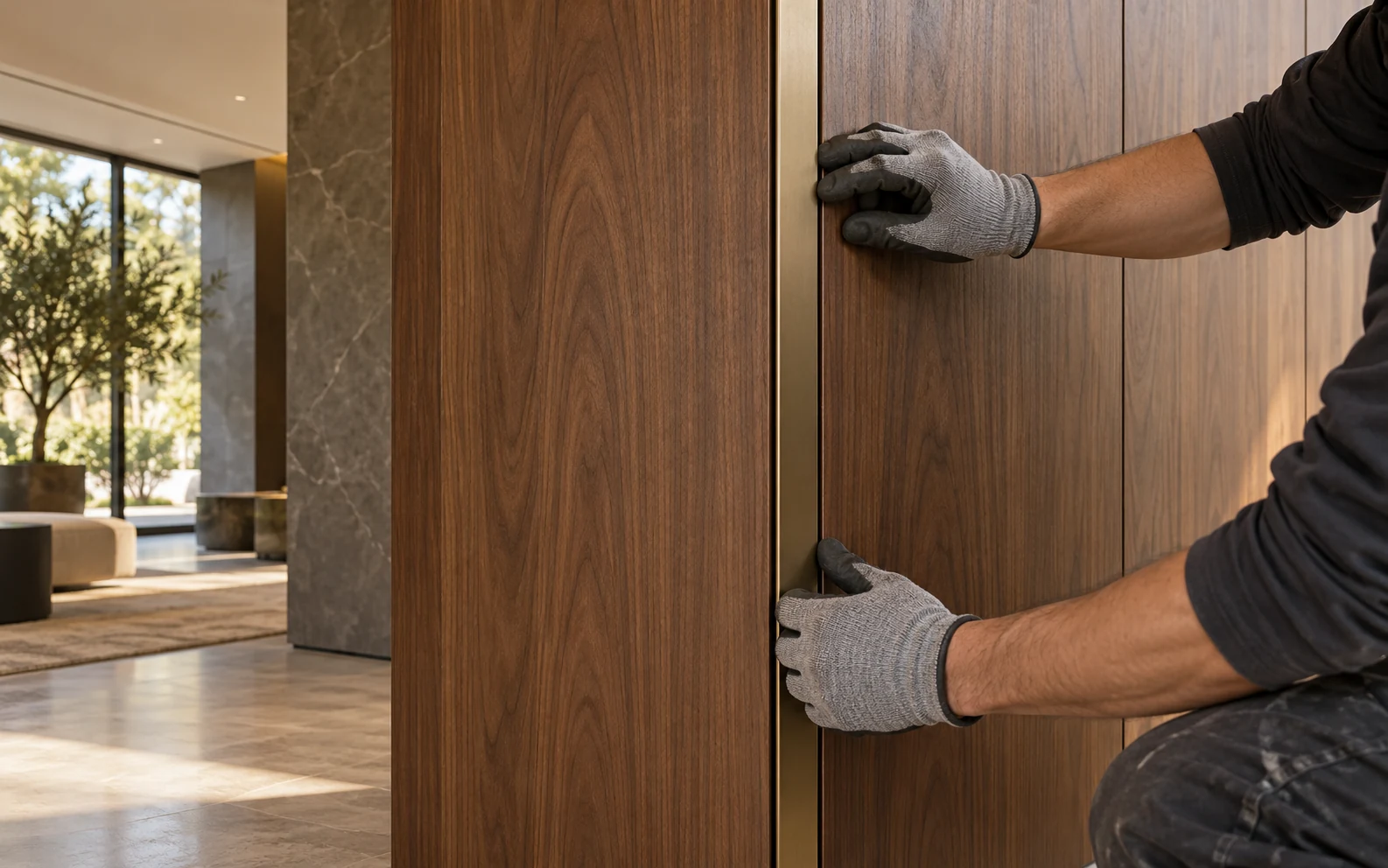
Check cuts, panel joints, corners, and edge trims.
Follow the product installation guidance and inspect the completed work.
Group facilities in China
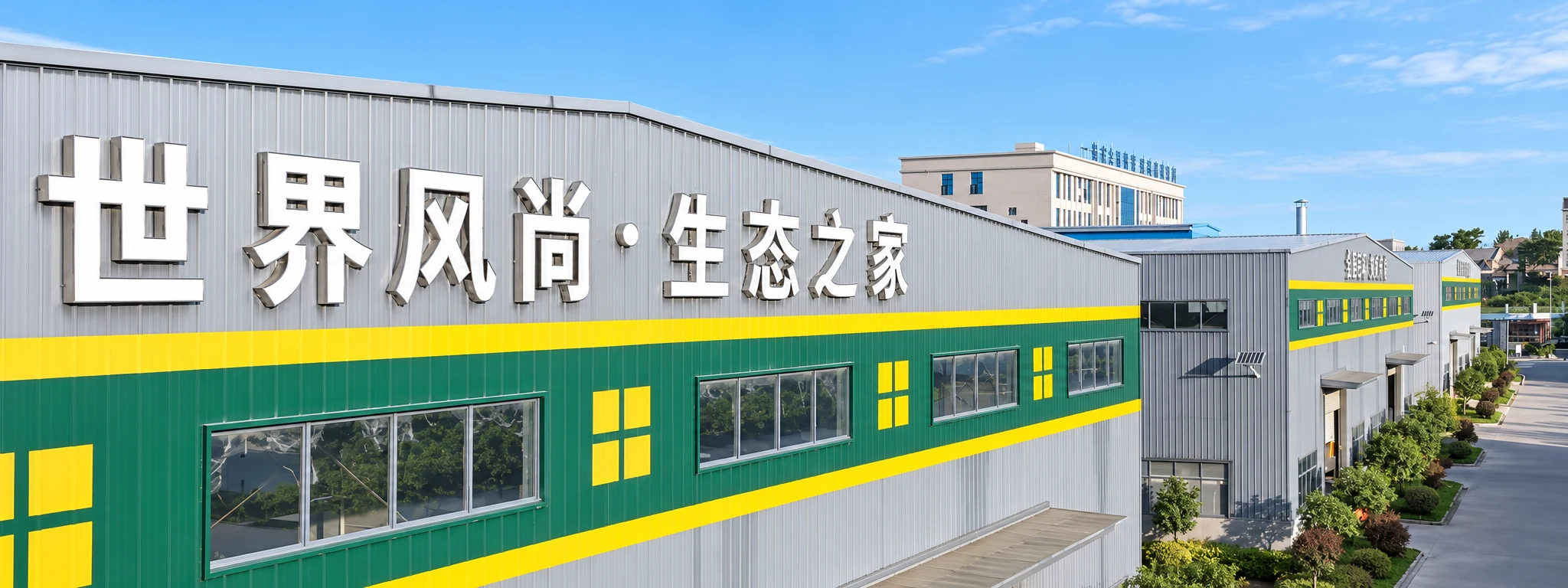
The group’s facilities in Hubei, China, connect material development, production, showrooms, and testing. An industrial-park warehousing and logistics centre supports material storage, panel handling, and product dispatch.
Production equipment and facilities
Yisen group facility in China
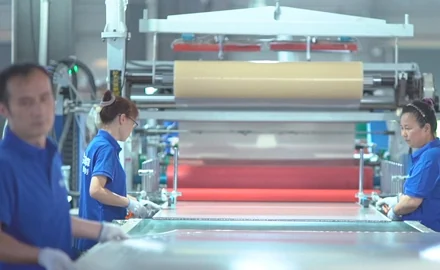
Panel surface roller line
Roller equipment and panel tables at the group's facility in China.
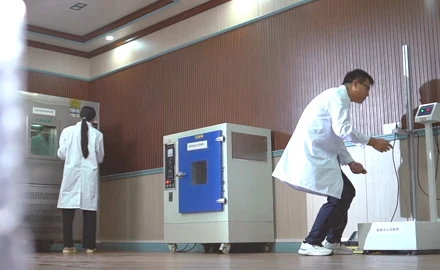
Testing room
Inspection equipment in the group's laboratory in China.
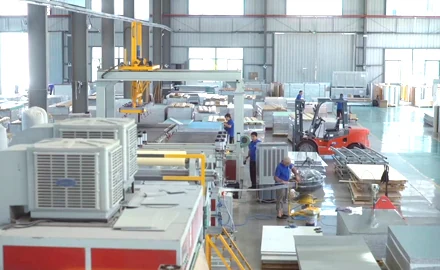
Panel handling area
Work tables, panels, and handling equipment in the Chinese production workshop.
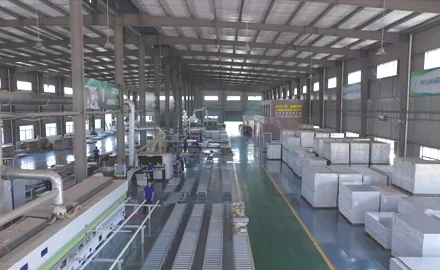
Production and material storage
Production machinery and stacked materials share a hall at the group's facility in China.
Interior style references
Explore panels, textures, and colours through six interior style directions.
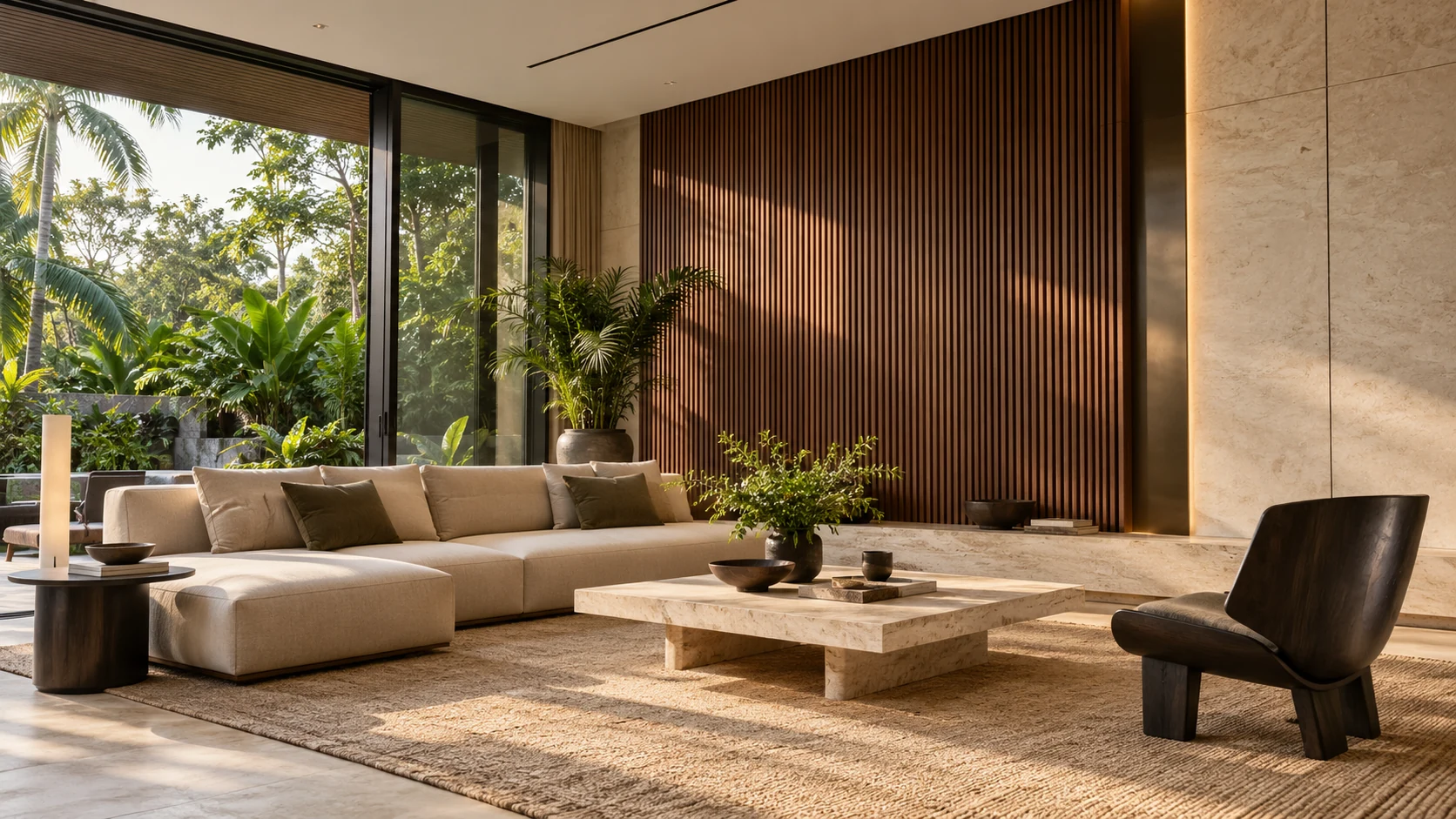
Modern
Clean panel lines and a combination of stone and timber surfaces.
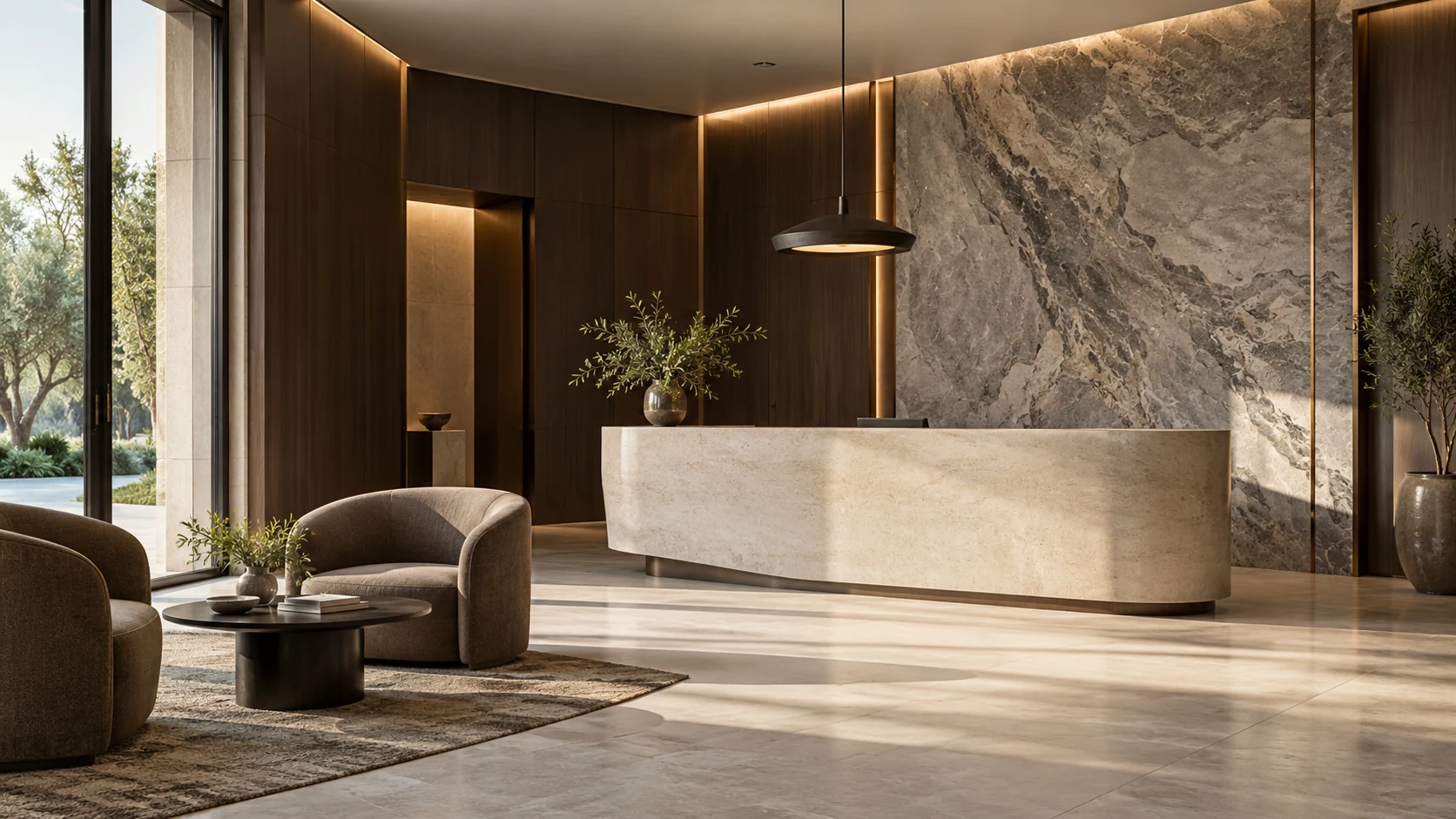
Refined luxury
Deep timber tones and metal details for a sitting room or reception space.
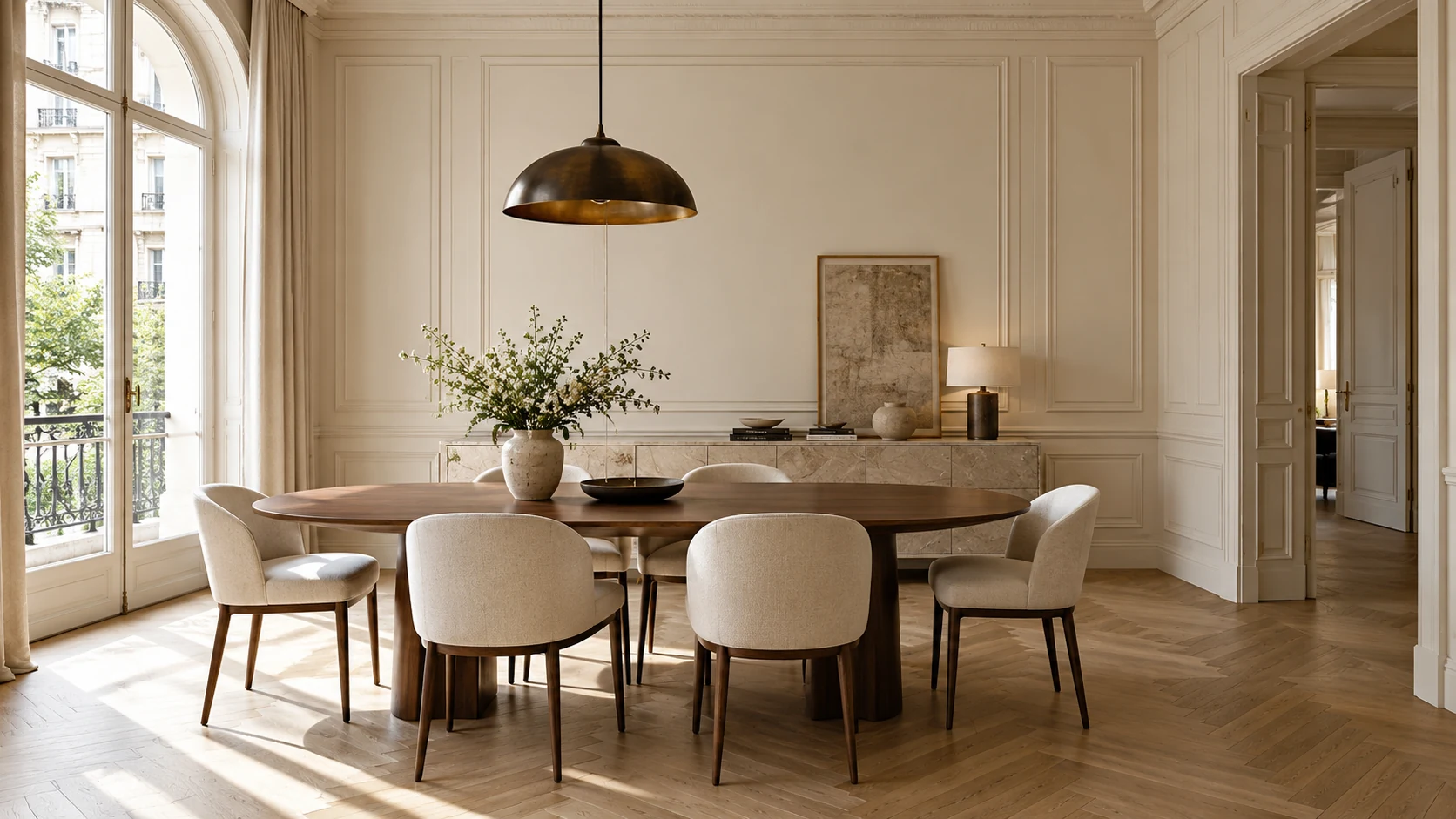
French
Wall mouldings and light colours for interiors with classical details.
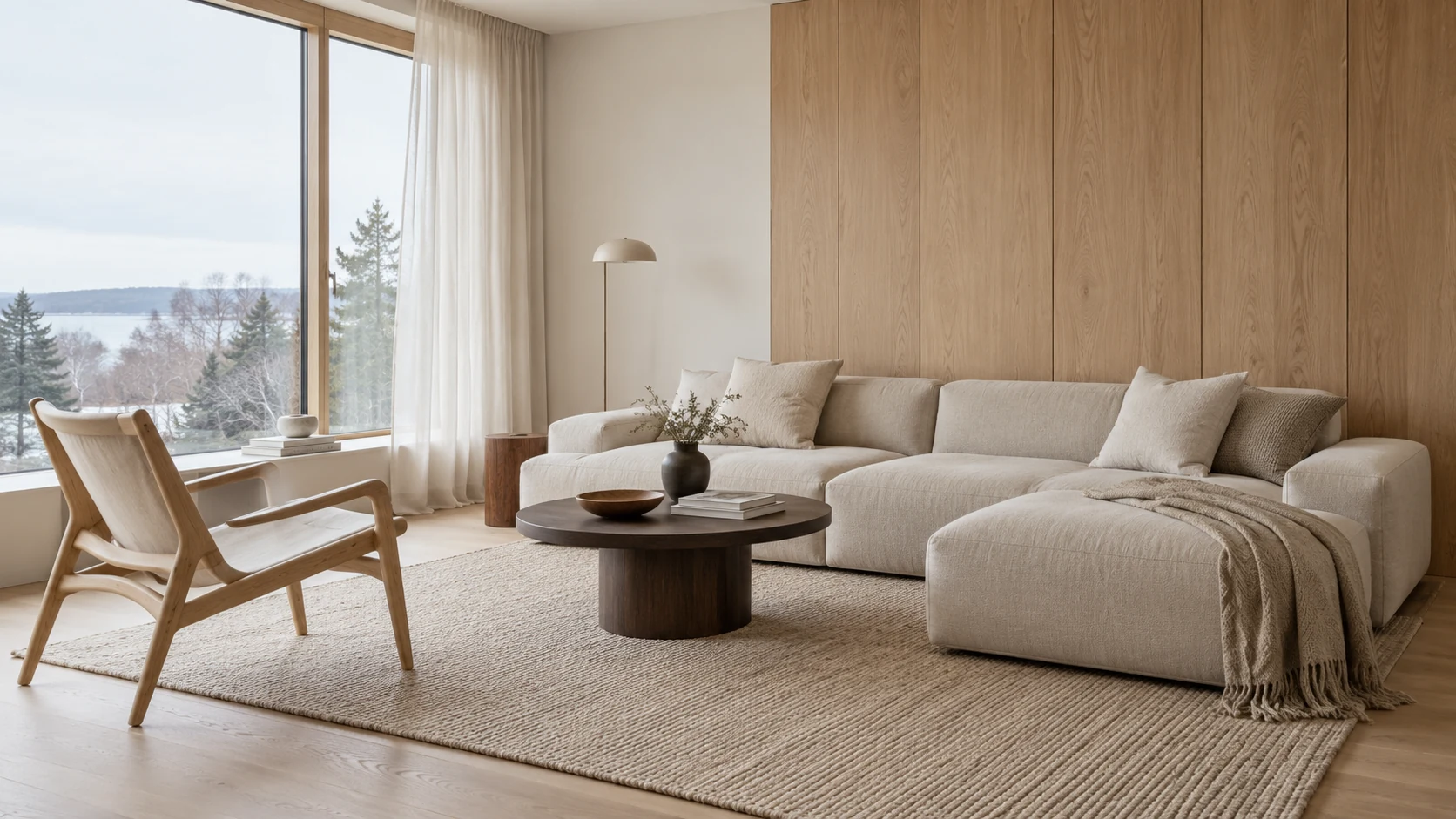
Nordic
Neutral colours, light timber, and simple layouts that make room for daylight.
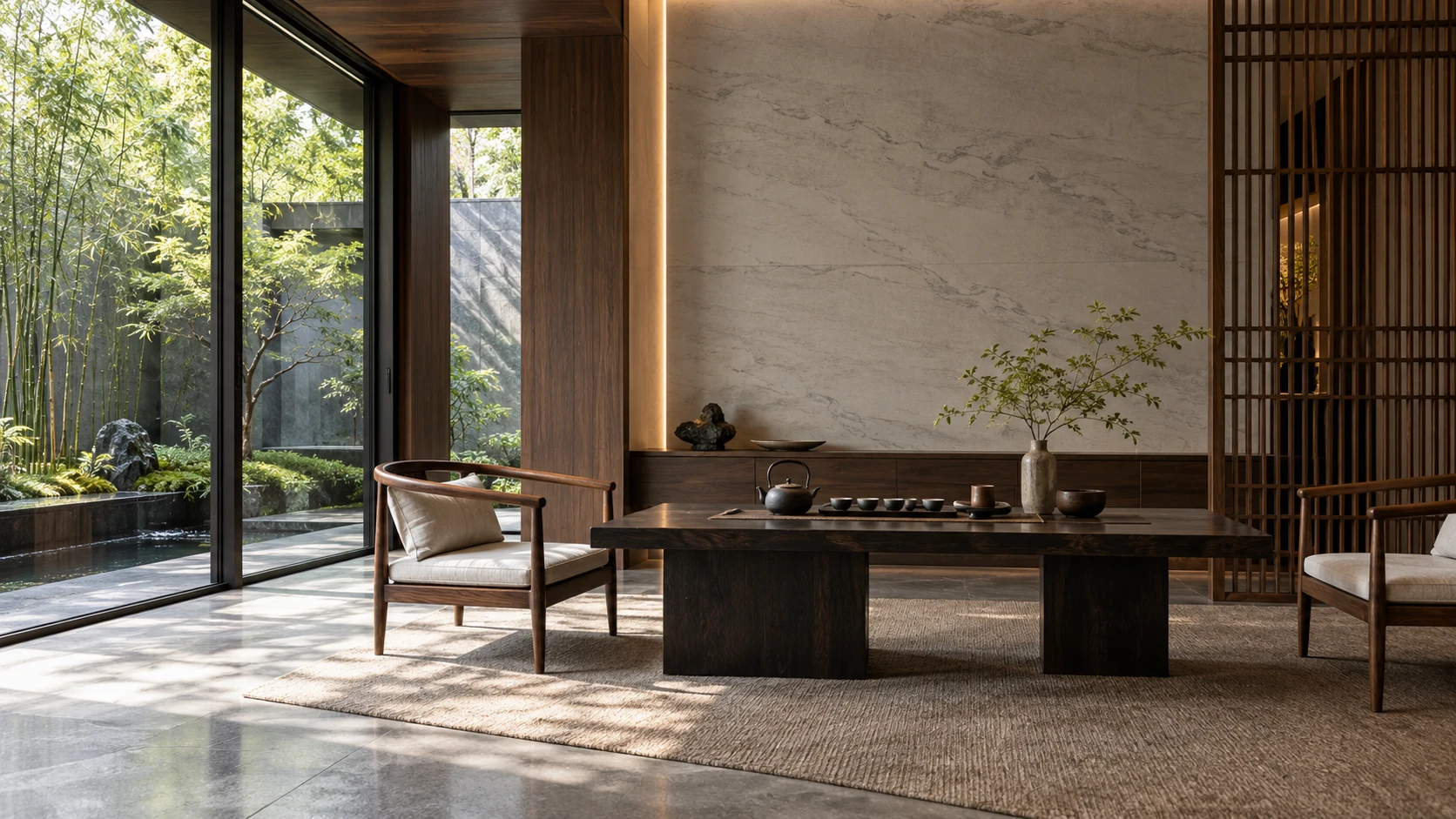
Contemporary Chinese
Grille details and dark timber in an interior influenced by Chinese design.
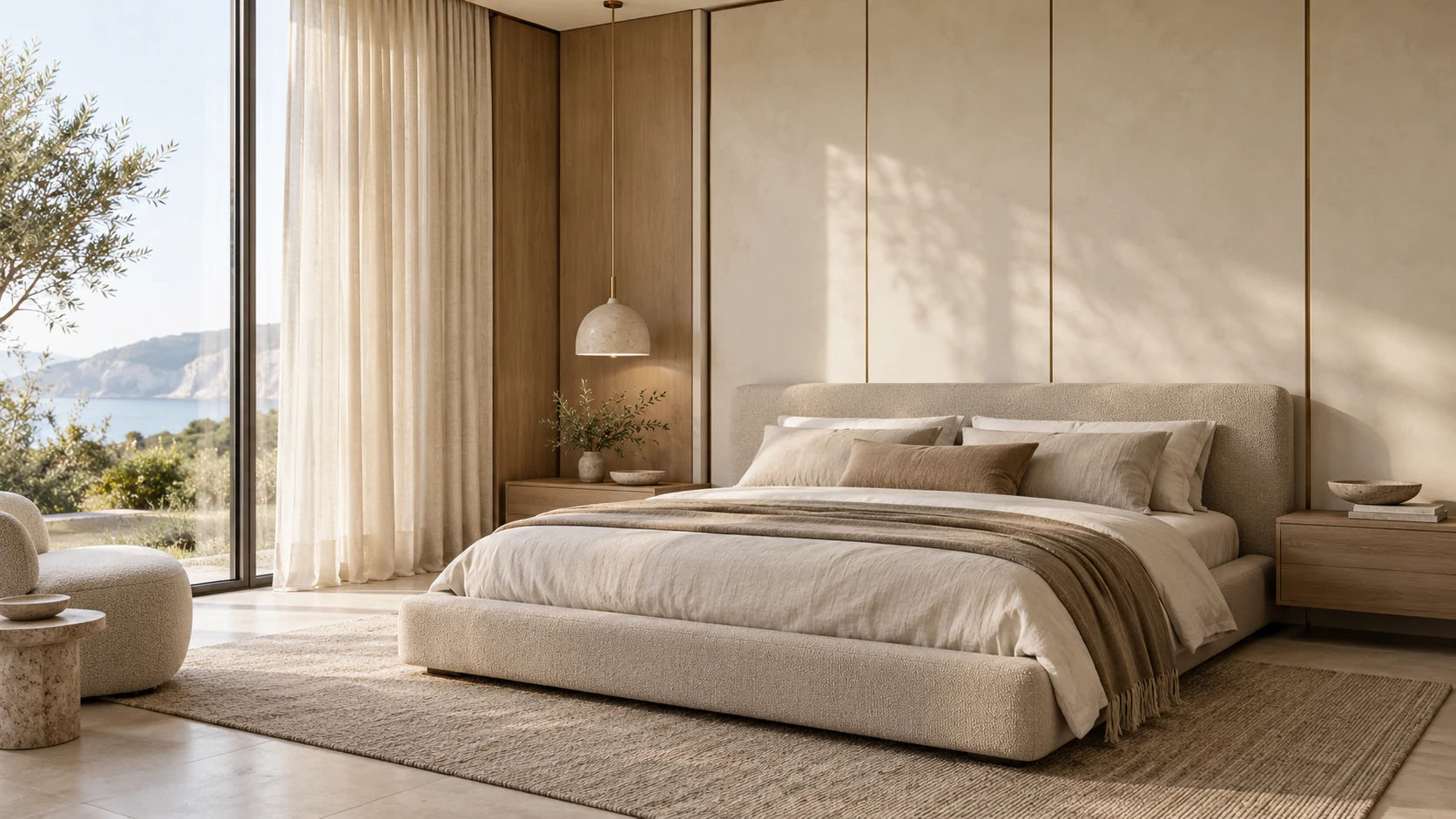
Cream
Cream surfaces with subtle differences in wall and furniture textures.